

Back to home

Training & CPD

Professional Learning

Equipping practitioners with the knowledge, language and confidence to support families who have been failed by the system.

Share this page

Why This Matters

Closing the Gap Between Policy and Practice

Too many families experience a system that does not understand the dynamics of coercive control, domestic abuse or unexplained death. Professionals across health, social care, policing, legal services and education encounter these families every day — yet training in this area remains inconsistent, fragmented and often absent.

The Katie Trust delivers professional learning that is grounded in lived experience. Our training is not theoretical. It is shaped by what families have told us about the moments when a professional's understanding — or lack of it — changed everything.

We work with organisations to build the capacity of their teams to recognise, respond to and advocate for families who are navigating the most difficult circumstances of their lives.

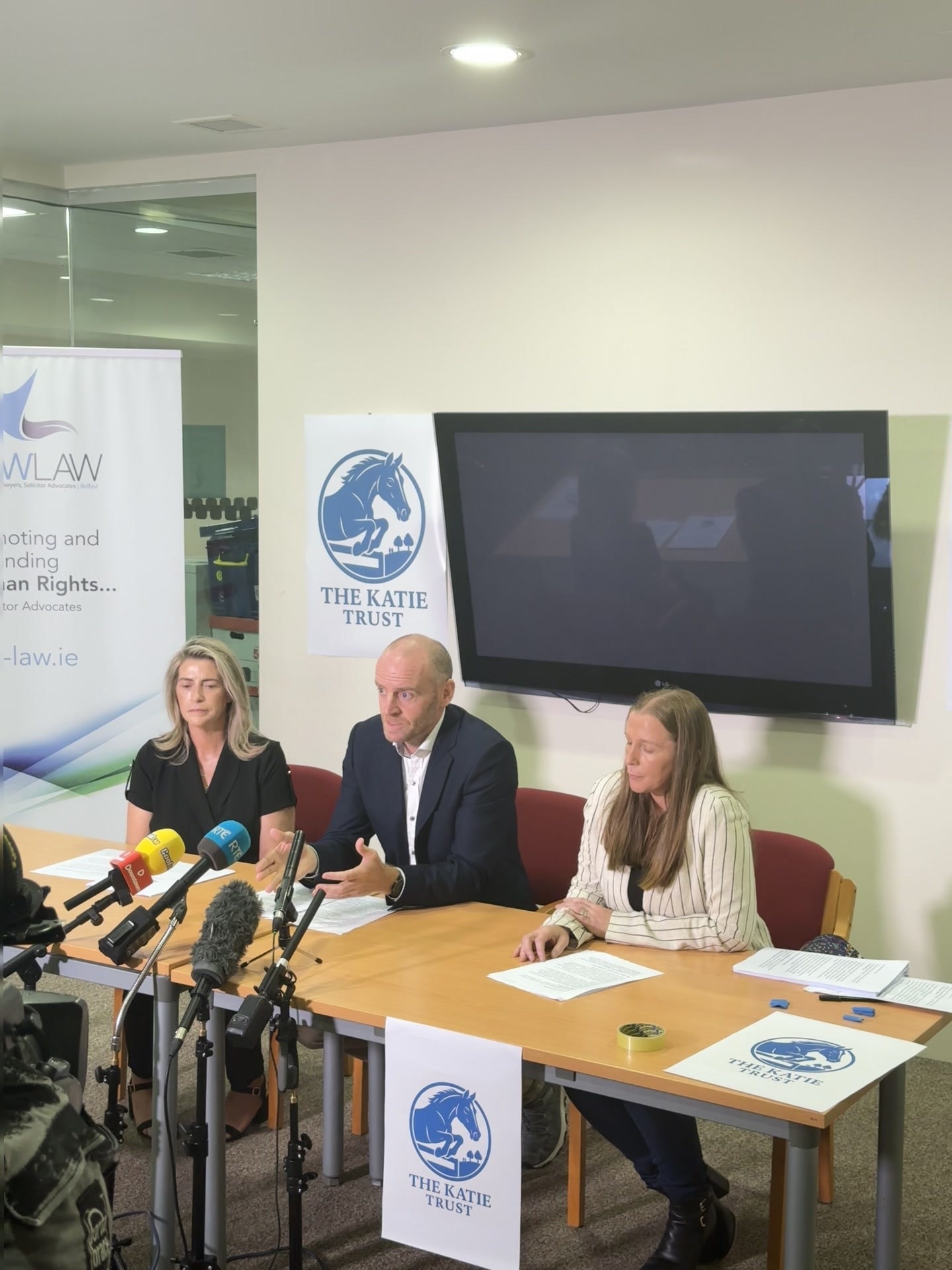
James Brannigan at the Katie Trust launch press conference, speaking to professionals and media.
James Brannigan in a stable with a horse — connecting the equestrian world to the Trust's investigative and advocacy work

Closing the Gap

Why This Matters

Katie Simpson died in circumstances that should have prompted a thorough, specialist investigation. Instead, the response fell short — not through malice, but through a gap between policy and practice that still exists across equestrian and rural communities.

The Katie Trust exists to close that gap — by equipping professionals with the knowledge, awareness and confidence to respond appropriately when a family needs them most.

Our Programmes

Training Programmes

Understanding Coercive Control

FoundationHalf day (3.5 hrs)

An introduction to the patterns, dynamics and impact of coercive control. Participants develop the language and frameworks to identify coercive control in the families they work with, and understand why victims often do not present in the ways professionals expect.

Learning Outcomes

  • Define coercive control and distinguish it from situational conflict
  • Recognise behavioural patterns that may not be visible as abuse
  • Understand the impact of coercive control on children and wider family
  • Apply a trauma-informed lens to professional practice

Supporting Bereaved Families

IntermediateFull day (6 hrs)

Designed for professionals who work with families following a death in circumstances where questions remain. This session explores the specific grief of families who feel unheard, the institutional barriers they face, and how practitioners can advocate effectively within their own organisations.

Learning Outcomes

  • Understand the distinct experience of families bereaved in suspicious or unexplained circumstances
  • Identify the systemic barriers that prevent families from accessing answers
  • Develop skills for trauma-informed communication with bereaved families
  • Know when and how to refer families to specialist support

Domestic Homicide Reviews: A Practitioner's Guide

AdvancedFull day (6 hrs)

A detailed examination of the Domestic Homicide Review process — its purpose, its limitations and the experience of families who participate in it. Suitable for professionals who may be involved in DHR panels, contribute evidence, or support families through the process.

Learning Outcomes

  • Understand the statutory framework and purpose of Domestic Homicide Reviews
  • Recognise the gap between the DHR process and the experience of bereaved families
  • Support families to engage with the DHR process in an informed way
  • Identify learning from DHRs that can improve local practice

Trauma-Informed Practice

FoundationHalf day (3.5 hrs)

An accessible introduction to trauma-informed approaches for practitioners across all disciplines. Grounded in the latest evidence on adverse childhood experiences, complex trauma and the neuroscience of stress, this session helps teams move from compliance-focused to genuinely compassionate practice.

Learning Outcomes

  • Understand the neurological and psychological impact of trauma
  • Recognise trauma responses in the families and individuals you work with
  • Apply the five principles of trauma-informed care in your own role
  • Avoid re-traumatisation in professional interactions

Who Should Attend

Built for Practitioners Across Disciplines

Our training is designed for professionals who encounter families affected by domestic abuse, coercive control or unexplained death — whether that is a central part of your role or an occasional but significant one.

Health & Social Care
Policing & Criminal Justice
Legal Professionals
Education & Schools
Voluntary & Third Sector
Housing & Local Authority
Coroners & Pathology Services
Mental Health Services

How We Deliver

Flexible Delivery to Suit Your Organisation

In-Person

Delivered at your premises or a venue of your choice. Suitable for teams of up to 30 participants. Includes facilitated discussion and case-based learning.

Online

Live, interactive sessions delivered via video conference. Suitable for dispersed teams or multi-site organisations. All materials provided digitally.

Bespoke

We work with your organisation to design training that reflects your specific context, client group and learning objectives. Contact us to discuss your requirements.

Accreditation

CPD-Accredited Training

All Katie Trust professional learning programmes are delivered with CPD accreditation in mind. Certificates of attendance are provided for all participants. We are happy to discuss formal CPD accreditation requirements with your organisation or professional body.

Book a Session

Bring This Training to Your Organisation

Whether you are looking to book a single session for your team or develop an ongoing training partnership, we would love to hear from you. Get in touch to discuss your requirements, dates and pricing.